Find Weld Pins for Steel Construction, Railways, and Refractory
Source 30 weld pins from verified Chinese manufacturers. Compare stainless steel and nickel-plated options with ISO certifications for steel construction, railway, and refractory applications.
Key considerations
Products List


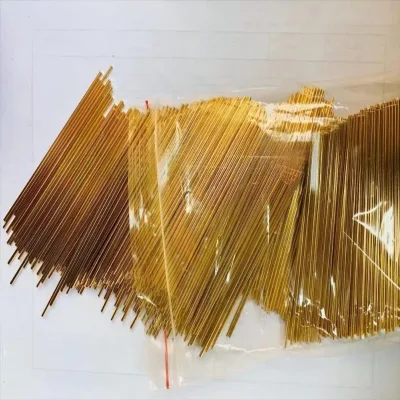


Comprehensive Sourcing Guide
Strategic Sourcing Guide for Weld Pins and Fastening Systems
Navigating the global market for weld pins requires a disciplined approach that balances technical precision with rigorous supplier verification. The core keyword "weld pins" encompasses a diverse array of fastening solutions, ranging from simple stainless steel cylinders to complex, custom-engineered welding accessories. For procurement professionals, the primary challenge lies in distinguishing between generic commodity items and specialized industrial components that meet specific construction or manufacturing standards. This guide outlines the critical factors for sourcing these components effectively, drawing on observed market data regarding materials, certifications, and packaging standards to ensure a robust supply chain strategy.
Technical Specifications and Material Composition
The foundation of any successful weld pin procurement begins with a precise understanding of technical specifications. The market data indicates a significant variation in material composition, with stainless steel being a dominant attribute for many listed products. This material choice is critical for applications requiring corrosion resistance, particularly in outdoor or harsh industrial environments. However, buyers must also consider alternative housing and barrel materials, which can include steel, aluminum, and other alloys depending on the specific welding equipment or application requirements.
Dimensions and gauges are equally vital. Observed standards in the market include specific gauge measurements such as 12 Gauge and 14 Gauges, as well as diameter specifications ranging from 4mm to 40mm (0.2 to 2 inches). Some listings explicitly reference standard sizes like 1/4", 3/8", 1/2", and 5/8", while others offer customized diameters such as 3.4mm. The shape of the product is frequently cylindrical, yet design variations exist, including cross-shaped configurations. Furthermore, the working form is often described as "One-Body," suggesting a monolithic construction that enhances structural integrity during the welding process.
Buyers must verify the exact model numbers and specifications against their engineering drawings. For instance, specific models like "PDM-03" or "SB-1250" appear in the market, often associated with specialized equipment like insulation nail welders. The handle design also varies, with options including T-handles and round handles, which can impact operator ergonomics during manual welding operations. When sourcing, it is essential to confirm whether the product is a standalone pin or part of a larger assembly, such as a welding pin with a plastic handle or a steel plunger component.
Compliance, Certification, and Standards Verification
In the industrial sector, compliance is not merely a formality but a prerequisite for market entry and operational safety. The observed market data highlights ISO certification as a high-confidence fact for many suppliers, indicating a baseline commitment to quality management systems. Additionally, RoHS certification is frequently mentioned, which is crucial for products intended for export to regions with strict environmental regulations regarding hazardous substances.
Standards compliance extends beyond general certifications to specific technical benchmarks. The market shows adherence to both GB (Guobiao) and DIN (Deutsches Institut für Normung) standards, which are prevalent in Chinese manufacturing and European engineering contexts, respectively. These standards dictate the mechanical properties, dimensional tolerances, and testing protocols for the weld pins. For example, specific product standards may reference 12 Gauge or 14 Gauges as the baseline for thickness and strength.
When evaluating potential suppliers, procurement teams should request valid certification documents rather than relying on marketing claims. The presence of ISO and RoHS marks on a product listing is a positive indicator, but verification of the certificate's validity and scope is necessary. Furthermore, buyers should check if the supplier adheres to specific application standards, such as those for steel construction or railway applications, where weld pins are often used to attach studs of 1 to 5mm thickness. Ensuring that the product meets the relevant GB or DIN standards for the intended application is essential to avoid compliance failures during audits or safety inspections.
Cost Drivers and Pricing Dynamics
Understanding the cost structure of weld pins is essential for budgeting and negotiation. The observed price range in the market is exceptionally broad, spanning from $0.01 to $2,450 USD. This wide disparity reflects the diversity of products, from simple, small-diameter pins to complex, heavy-duty welding machines or specialized accessory kits. The price is influenced by several key factors, including material costs, customization levels, and the complexity of the manufacturing process.
Material selection is a primary cost driver. Stainless steel components generally command a higher price than standard steel due to the raw material cost and the additional processing required for surface finishing. The market data notes "Nickel Plated" as a common surface finishing option, which adds to the cost but provides enhanced durability and corrosion resistance. Customization is another significant factor; products listed as "Customized" or with "Available" customization options will typically incur higher unit costs and potentially longer lead times compared to standard off-the-shelf items.
Order volume also plays a critical role in pricing. The observed Minimum Order Quantity (MOQ) ranges from 1 to 50,000 units. Buyers purchasing small quantities may face higher per-unit costs, while those ordering in bulk can leverage economies of scale to reduce the price significantly. Additionally, the packaging method affects the final cost. Options range from simple plastic bags to complex "Sea Worthy Plywood Cases" or "Carton with Woven Bag" configurations. The latter, while more expensive, ensures protection during long-distance shipping, particularly for heavy or delicate items.
Typical Applications and Operational Environments
Weld pins serve a multitude of applications across various industries, with the market data pointing to specific use cases. A prominent application is in steel construction and railway infrastructure, where weld pins are used to attach studs ranging from 1 to 5mm in thickness. These components are critical for securing insulation, refractory materials, and other structural elements. The "Insulation Nail Welder" category, with a stored energy of 1250 Joules, is specifically designed for these heavy-duty tasks.
The operational environment is another crucial consideration. Products are often rated for "Dry" working environments, and the enclosure rating is specified as IP21, indicating protection against solid objects larger than 12.5mm and vertically dripping water. This rating suggests that while the equipment is suitable for indoor or sheltered industrial settings, it may not be appropriate for wet or highly corrosive outdoor conditions without additional protection. The cooling method is typically air cooling, and the electric current requirement is AC, which aligns with standard industrial power supplies.
For applications involving refractory materials, the specific design and material properties of the weld pin become even more critical. The ability to withstand high temperatures and maintain structural integrity under thermal stress is paramount. Buyers should verify that the selected product is explicitly rated for the intended application, whether it is for general construction, railway maintenance, or specialized industrial processes. The "One-Body" design is particularly noted for its robustness in these demanding scenarios.
Supplier Evaluation and Geographic Considerations
When evaluating suppliers, geographic origin is a significant factor. The market data indicates that the majority of weld pin products originate from China, with specific mentions of Shandong and Shenzhen as key manufacturing hubs. These regions are known for their robust industrial ecosystems and expertise in metal fabrication. However, buyers should not assume that all products from these regions are identical; quality can vary significantly between manufacturers.
Supplier evaluation should focus on several key criteria. First, verify the supplier's ability to provide customization, as many listings highlight "Customized" options. This capability is essential for buyers with unique engineering requirements. Second, assess the supplier's packaging capabilities. The market shows a range of packaging options, from "Bulk" and "Box" to "Carton with Woven Bag" and "Plastic Bag+Carton+Pallet." The choice of packaging should align with the shipping method and the fragility of the product. For heavy machinery or large quantities, "Sea Worthy Plywood Cases" are often the preferred option to prevent damage during transit.
Additionally, buyers should review the supplier's warranty and after-sales support. A 12-month warranty is a common offering for welding equipment, indicating a level of confidence in product durability. However, the scope of the warranty should be clearly defined, covering defects in materials and workmanship. Finally, check the supplier's track record in meeting specific standards like GB and DIN, as well as their ability to provide valid ISO and RoHS certifications.
Quality Control and Long-Term Procurement Strategy
Implementing a robust quality control (QC) strategy is essential for mitigating risks in the weld pin supply chain. Given the wide range of observed specifications, from 12 Gauge to 14 Gauges and various diameters, buyers must establish clear acceptance criteria before placing orders. This includes verifying material composition, dimensional accuracy, and surface finish quality. The "Nickel Plated" finish, for instance, should be inspected for uniformity and adhesion to ensure it meets the required corrosion resistance standards.
Long-term procurement considerations involve building a relationship with suppliers who can consistently deliver high-quality products. This includes negotiating favorable terms for repeat orders, such as volume discounts and flexible MOQs. Buyers should also consider the total cost of ownership, which includes not just the purchase price but also shipping, handling, and potential downtime due to product failure. Selecting a supplier with a proven track record in meeting international standards like ISO and RoHS can reduce the risk of quality issues and regulatory non-compliance.
Furthermore, buyers should maintain open communication with suppliers regarding any changes in specifications or standards. The market is dynamic, and new standards or material requirements may emerge. By staying informed and maintaining a proactive approach to supplier management, buyers can ensure a steady supply of high-quality weld pins that meet their operational needs.
Summary of Key Procurement Parameters
To facilitate a streamlined procurement process, the following table summarizes the key parameters observed in the market for weld pins and related welding accessories. This comparison highlights the variability in specifications and helps buyers identify the critical attributes they need to verify.
| Parameter | Observed Range/Options | Verification Requirement |
|---|---|---|
| Material | Stainless Steel, Steel, Aluminum | Confirm material grade and composition |
| Shape | Cylinder, Cross | Match with engineering drawings |
| Standard | GB, DIN, 12 Gauge, 14 Gauges | Verify specific standard compliance |
| Certification | ISO, RoHS | Request valid certification documents |
| Packaging | Carton Box, Plastic Bag, Plywood Cases | Ensure suitability for shipping method |
| Origin | China (Shandong, Shenzhen) | Confirm factory location and audit status |
| MOQ | 1 to 50,000 Units | Negotiate based on volume requirements |
| Warranty | 12 Months | Review warranty terms and coverage |
By adhering to these guidelines and focusing on the specific technical and compliance requirements outlined above, procurement professionals can effectively navigate the complex market for weld pins. This disciplined approach ensures that the sourced components meet the necessary quality standards, support operational efficiency, and contribute to the long-term success of the project.
FAQs
What materials are commonly used for weld pins?
Stainless steel is the dominant material for weld pins to ensure corrosion resistance. Some products also utilize steel or aluminum for housing and barrel components, while handles may be made of plastic for ergonomic grip.
Which certifications do weld pin suppliers typically hold?
Most suppliers hold ISO certification as a baseline for quality management systems. Many listings also include RoHS certification, which is essential for compliance with environmental regulations regarding hazardous substances in exported goods.
How are weld pins typically packaged for shipping?
Packaging options range from simple plastic bags and cartons to complex sea-worthy plywood cases. Common configurations include carton boxes, woven bags, or plastic bags combined with cartons and pallets depending on the product weight and size.
Can weld pins be customized for specific applications?
Yes, customization is widely available for weld pins to meet unique engineering requirements. Buyers can request specific shapes, gauges, or dimensions, though customized orders may involve different lead times compared to standard off-the-shelf items.
What standards do weld pins adhere to in manufacturing?
Products often comply with GB and DIN standards to ensure mechanical and dimensional accuracy. Specific standards may reference gauges like 12 or 14 gauge, or diameters ranging from 3.4mm up to 40mm depending on the model.
Where are most weld pin manufacturers located?
The majority of weld pin products originate from China, with key manufacturing hubs in Shandong and Shenzhen. These regions offer robust industrial ecosystems for metal fabrication and fastening solutions.
What is the price range for weld pins?
The market price range is broad, spanning from 0.01 to 2450 USD. This variation reflects differences between simple commodity pins and complex welding machines or specialized accessory kits with custom features.